

North Carolina’s boards and commissions play an important role in protecting the public, maintaining professional standards, and supporting a strong workforce. But as regulatory responsibilities and public expectations have grown, many boards are being asked to do more with the same resources.
At the 2026 North Carolina Boards & Commissions Conference, executive directors, board members, and state leaders came together to discuss these challenges, share experiences, and explore solutions.
Several common themes emerged, highlighting both the pressures facing regulatory organizations and the opportunities to strengthen their operations.
1. Modernizing Technology and Administration Processes
Many boards continue to navigate outdated technology, manual workflows and disconnected systems that make everyday operations more time consuming than necessary.
Leaders are exploring opportunities to streamline licensing, digitize records, improve data quality and automate repetitive administrative tasks.
Successful modernization, however, requires more than new software. It requires evaluating existing processes, identifying inefficiencies and ensuring technology supports the needs of staff, licensees, and the public.
2. Doing More with Limited Resources
Increasing workloads, staffing limitations, and financial constraints are common challenges across regulatory organizations. From application processing and complaint investigations to customer service and reporting, board staff must balance priorities while maintaining high standards of service.
Some leaders are responding by using performance data to identify bottlenecks, better allocate staff resources, and continuously improve organizational performance. These approaches can help boards expand their capacity without significantly increasing staffing or administrative costs.
3. Navigating Artificial Intelligence Responsibly
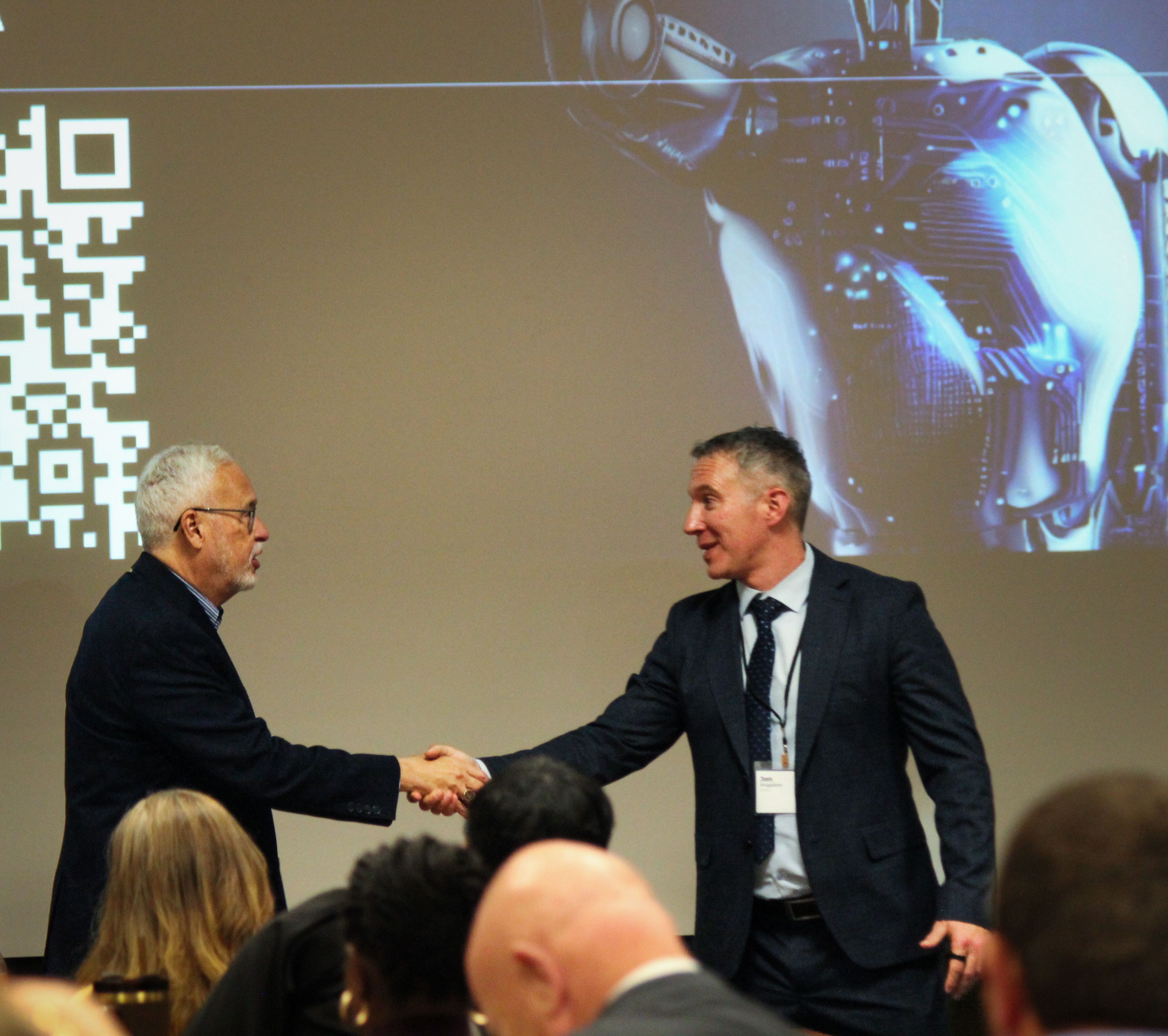
Artificial intelligence was a central topic of conversation throughout the conference.
While AI offers opportunities to reduce administrative work, summarize complex information, and improve customer service, it also introduces questions about accuracy, confidentiality, and accountability.
Board leaders are considering how AI can support staff while maintaining appropriate human oversight, particularly when regulatory decisions affect professional licensure and public safety. The growing use of AI within regulated professions also presents new questions that boards will need to navigate in the years ahead.
4. Meeting Evolving Public Expectations
Licensees and the public expect accessible information, timely responses, and efficient digital services. Leaders are responding through proactive communication, more transparency, and improvements to the licensing experience. Providing clearer application guidance, communicating processing timelines, and expanding access to information can help build trust while reducing administrative burdens.
5. Learning from One Another
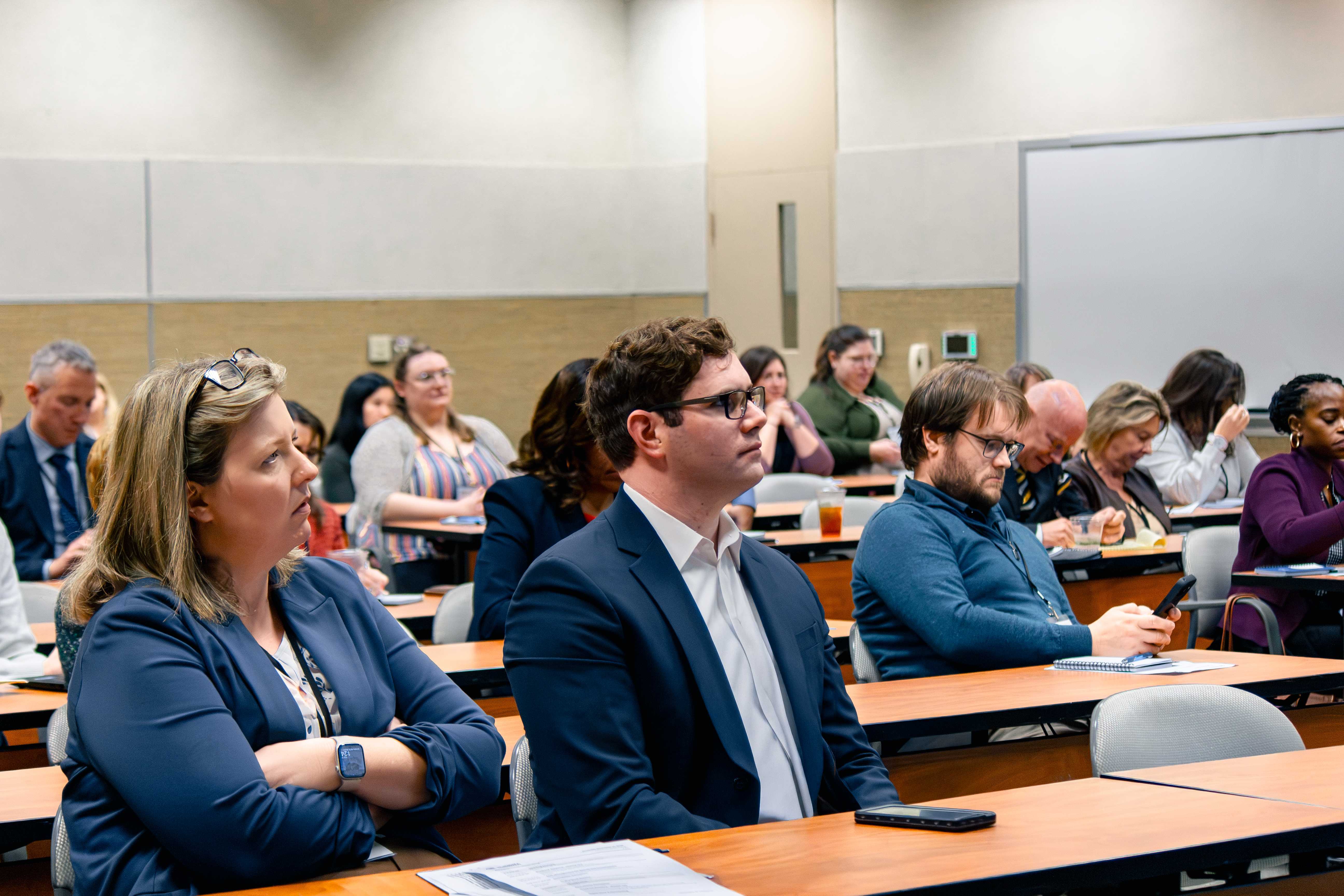
One of the most encouraging takeaways from the conference was how much North Carolina’s boards and commissions have in common. While each organization serves a distinct profession or population, many face similar challenges related to technology, staffing, governance, and service delivery.
By sharing successful approaches, lessons learned and practical resources, boards have an opportunity to accelerate progress without having to solve every challenge on their own.
Moving Forward Together
One of the most meaningful takeaways from the conference was the realization that many boards and commissions are facing similar challenges. Attendees highlighted the value of connecting with other administrators, sharing experiences, and identifying opportunities to work together. These conversations reinforced the importance of continued collaboration across North Carolina’s regulatory community.
Moving forward, boards and commissions will need to adapt while maintaining their focus on protecting and serving the public. Technology modernization, responsible AI adoption, workforce development, and cross-board collaboration are all opportunities to strengthen regulatory operations.
At Everblue, we believe that meaningful progress begins with listening, learning, and bringing people together. We look forward to continuing these conversations and creating more opportunities for North Carolina’s regulatory leaders to connect and learn from one another.
Are you navigating similar challenges within your board or commission? We would love to continue the conversation. Reach out to Liz at Liz.Johnson@goeverblue.com to connect with our team.